It is important to us that your delivery goes as smooth as possible.
Below are a list of frequently asked questions about USA Marine and about boating in general.
1. My boat broke down yesterday, how long will it take to repair?
Our commitment is to “triage” your request the day it is received for service, with an appointment. If the needed parts are in stock, we can have you back in the water with very little downtime.
2. Which brands do you service?
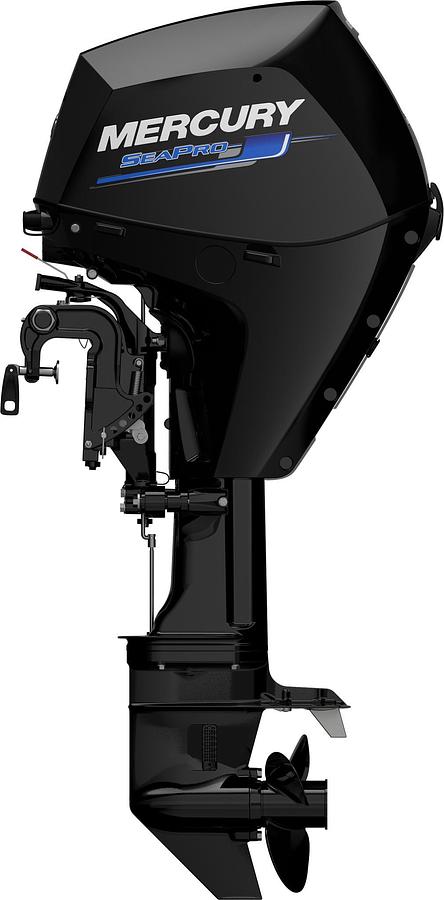
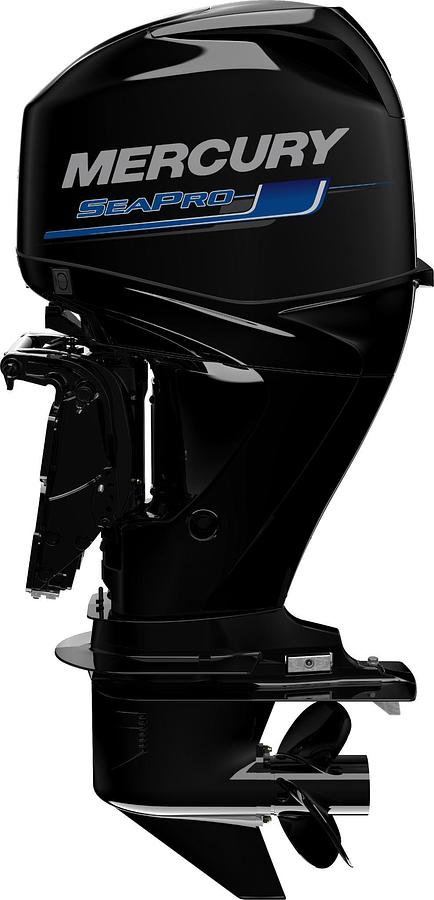
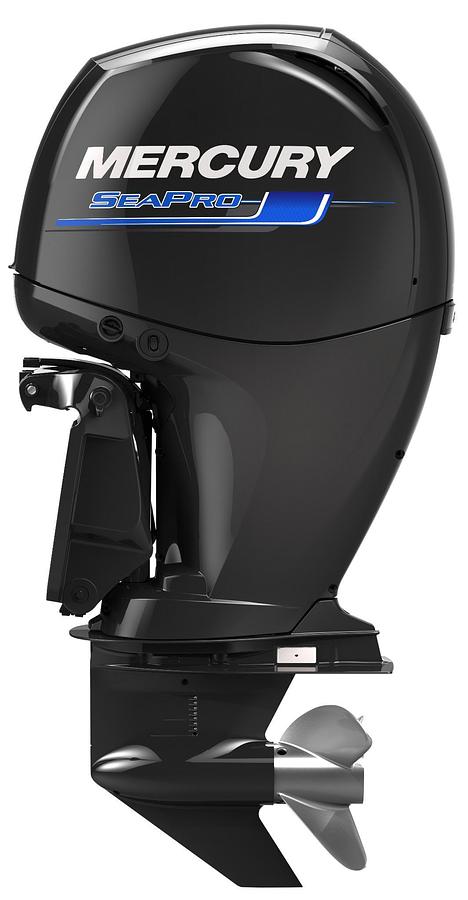
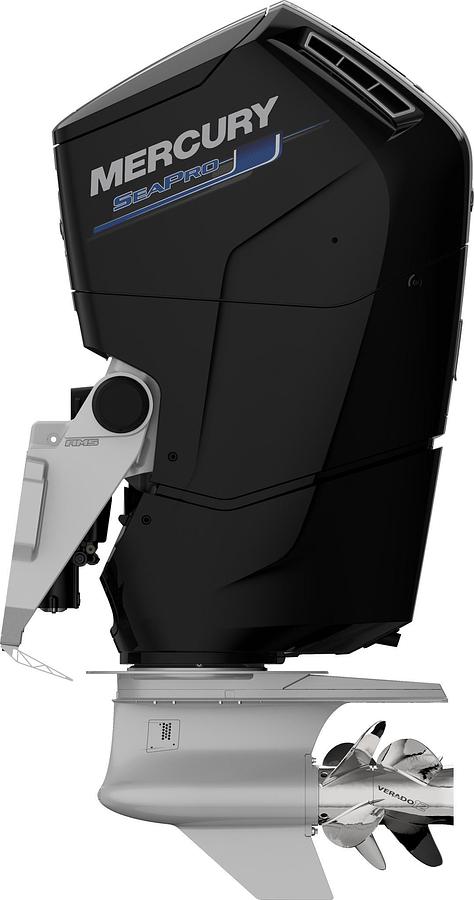
We work on all major brands and can provide warranty service on Mercury, Mercruiser, Tracker, Sun Tracker, Tahoe, and Nitro products. It does not matter where you purchased your boat, we will be happy to accommodate your needs.
3. Do you warranty your work?
Yes, we do. Our warranty covers our workmanship for 30 days from pick-up, while the parts carry their own warranty from the manufacturer.
4. Do you provide on-site repair?
If you are a storage customer in need of service at your dock, we will come to you!
5. Can you pick my boat up at my house? I don’t have a tow vehicle?
We provide a pick-up service if required. The boat would have to be on a trailer, or, if it is in the water, you have a choice of driving the boat down to the ramp and meeting us there or we can send two people down at your request.
6. Does USA Marine have qualified technicians?
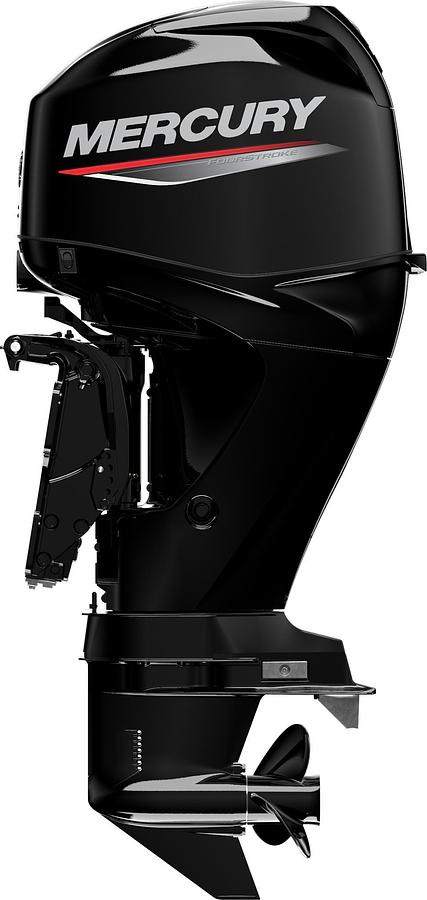
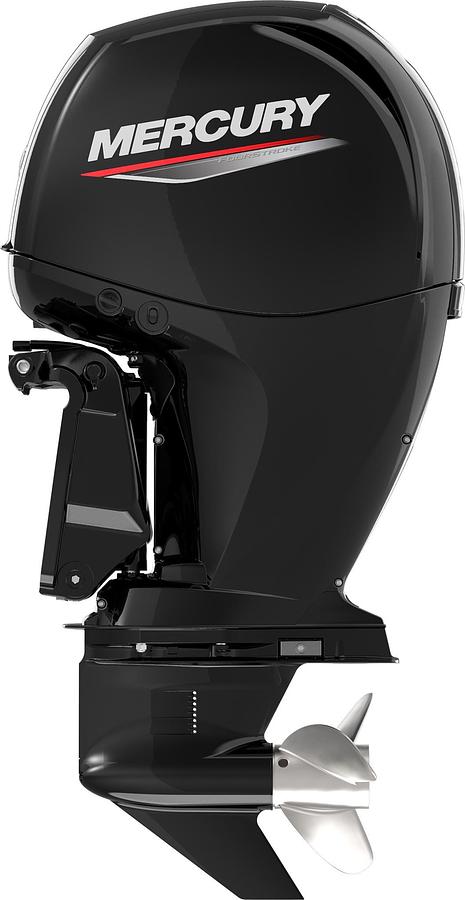
We send nearly all of our technicians to Mercury University annually. It begins with an in-house “Marine Technician Fundamentals” school and is very detailed in nature. Once this test has been passed, the Technician is qualified to begin the long road to becoming certified. Numerous studies such as Opti-Max 1, Verado, Gearcase, EFI Systems, Computer Diagnostics, Hydraulics, Corrosion, CDM ignition, ADI ignition, are taken over time and are a necessity for proper evaluation and repair of the latest crop of outboards. Once all these {and more} schools are taken and tests passed, the technician is “certified”. We have certificates in our waiting room for all customers to view.
WE CURRENTLY HAVE AN OPENING FOR A QUALIFIED TECHNICIAN, APPLY IN PERSON TO BOB IN THE SERVICE DEPARTMENT OR EMAIL BOB@USAMARINEINC.COM
7. Will USA Marine work on my engine even though I bought it elsewhere?
Yes. We see this as an opportunity to make a new friend and long-term customer. We encourage warranty related failures as well. It will give us the chance to prove that the next time you are interested in purchasing a new motor or boat, that our service dept is second to none, and will weigh heavily in your decision of where to purchase.
8. I’ve heard of numerous problems related to ethanol-based fuels now in use. How can I avoid problems with the new reformulated gasoline?
By now most of you have undoubtedly heard some buzz about “E-10″ or “Ethanol” fuels. Let’s discuss the latest news. Lot’s of controversy surrounds this topic and you are bound to hear many differing opinions. Let me briefly describe what’s happening.
Ethanol is being used instead of “M.T.B.E.” or Methyl Tertiary Butyl Ether, (which has been known to contaminate the ground water) as an oxygenate oroctane enhancer. The “E-10″ designation means that the ethanol blend to fuel is 10%. Unfortunately, (and this is the problem) ethanol is hygroscopic which means that it will absorb water readily. When this occurs, it will “phase-separate” and the ethanol and water will sink to the tanks bottom, leaving a degraded fuel on top. Since the ethanol and water are removed as a percentage, that percentage of octane is also removed from the fuel. What’s left is somewhat of a less-than ideal octane, (at times 2-3 numbers less). This “slurry” of ethanol and water is not combustible and will not pass through filters easily. Filters are prone to clog, deprive the motor of fuel, and cause running issues, to the point of engine damage. To make matters worse, if you are running an older 2-cycle the oil will remain on the “top”, not allowing much-needed lubrication to reach the vital engine components again causing damage.
What can I do you ask? First, we’ll address boats that are in use. It is recommended that the tank be kept as close to full as possible, and use a marine fuel stabilizer. That way, if for some reason you don’t get to use your boat as frequently as you’d like, the lack of space in your fuel tank is kept at a minimum and lessens the ability for water absorbsion or intrusion.
Second, for longer storage periods, the preferred method is to completely drain the fuel system. We have found this not to be practical since you really can’t get ALL the fuel out. The tank pick-up only extends down to within 1/2 inch of the tank’s bottom, leaving a few gallons in the tank, which will absorb water. We have instructed all of our storage customers that the tank should be FULL, and stabilized. This lessens the likelihood of water intrusion due to the lack of available space.
Third, make sure your engine is serviced, tuned properly and the filtration system is gone through annually. Check your propeller selection and make sure that it allows the motor to turn near the upper end of it’s recommended range. Don’t let the fuel get “old”. USE IT. Just because it’s stabilized, does not mean that it still won’t absorb water. Have a water separating fuel filter installed, and maintain it.
If you follow these simple rules, there is no reason you cannot enjoy your boat to it’s fullest. Mercury Marine has an excellent question and answer blurb on their web-site. Go to www.mercurymarine.com, click on engines, and follow the links to ethanol.
Please due to the inherent dangers of working with fuel and or fuel systems, we cannot endorse that anyone not qualified work on fuel related issues attempt to perform these type of repairs. There are no warranties on failures resulting from phase separated fuels.
Winterization FYI:
As we enter this coming storage period, we are making a few recommendations that will help your motor perform better and more reliably. First, be sure to run a fuel systems cleaner / stabilizer as standard practice. It has become very evident that due to changing weather patterns, work commitments, etc., boats sometimes “sit” for longer periods of time than what you’d like. The fuel degrades, loses octane, and gums of the fuel delivery system. Frequent use can minimize this effect. Unlike your car, {which has a closed system}, your boat fuel tank is open to the atmosphere and “breathes”, continually absorbing moisture. If kept full, the likely hood of this happening is also lessened. Bottom line…..use the boat, keep the fuel fresh, stabilized and full. and have the system serviced annually
Just prior to storing, it is also recommended that the last tank of fuel that will be in the boat prior to lay-up be of a higher octane. We have seen tests that show a percentage of ethanol loss over storage. If you have read the prior post, you’ll also note that when this occurs, there is also a percentage of octane that is lost as well. This largely depends on the condition of the fuel to start with, but it won’t hurt, and the probability of “better” fuel come Spring time is greater. Remember that you want to find a high-volume station to buy your fuel from, name branded or not. FRESH is key!
Regarding “winterizing”…….as most of you know, freezing temperatures can be detrimental to your motor, and any component cooled by water. It is imperative that you take the necessary precautions to prevent severe damage. First, for those “do-it-yourselfers”, make absolutely sure you do it before the freezing temps arrive! I can’t stress this enough. Every year, we see people procrastinate and it costs them thousands on a major repair. Due to the fact that we cannot control what happens to the boat when it leaves our premises, transient winterizations carry no warranty. For those who store boats with us, the winterization is “guaranteed”.
Please contact our Service Department at 800-370-2628 for more information.